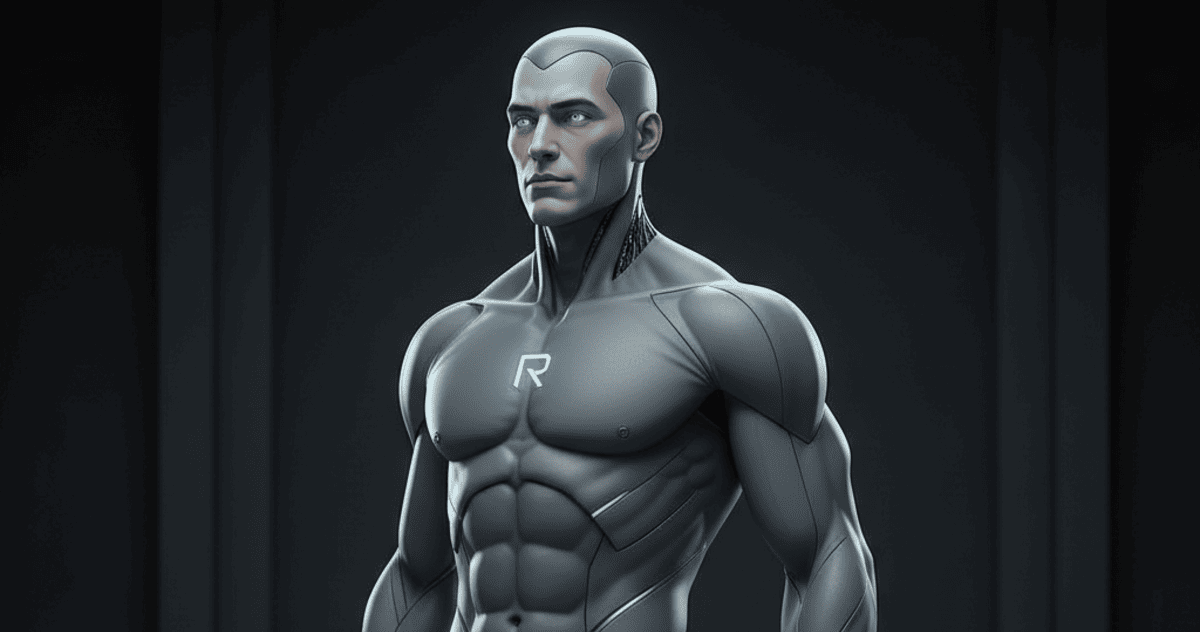
New Era for “Robojit” as AI-Assisted Pipeline Establishes Canonical Superhero Image
Created by mediapreneur Rakesh Raman, Robojit existed as a written narrative with defined story arcs long before the integration of generative AI.
NEW DELHI — The science-fiction franchise Robojit and the Sand Planet has reached a “threshold moment” in its development with the establishment of a canonical representational image for its lead character. This milestone marks a significant transition from abstract design intent to a repeatable visual identity within the project’s evolving AI-assisted production pipeline.
Solving the Challenge of Character Consistency
While generative AI tools offer high speed and flexibility in visual exploration, they often struggle with character consistency—a requirement for long-form storytelling where facial proportions and design elements must remain stable across different scenes. To overcome this, the Robojit project has adapted a standard film and animation practice known as the “character lock sheet”.
This approach creates a visual reference anchor to guide all future representations of the character, ensuring visual continuity as the project moves toward graphic novel prototypes and cinematic experiments.
Defining the Robojit Aesthetic
The newly established canonical image defines Robojit as a synthetic humanoid designed with a sense of “restraint over spectacle”. Standing approximately 7 feet tall with an athletic build, the character features several key visual traits:
- A graphite body tone with blue accent highlights and a matte surface finish.
- A human-like face capable of an expressive emotional range.
- Slightly glowing eyes and a calm, intelligent demeanor.
- A distinctive chest mark consisting of two mirrored “R” forms joined together.
The guiding aesthetic principle for the character is that Robojit should feel “powerful, yet restrained”.
The Role of AI in the Creative Process
The project emphasizes that while AI tools were used for visual prototyping, the narrative and character origins remain human-authored. Created by mediapreneur Rakesh Raman, Robojit existed as a written narrative with defined story arcs long before the integration of generative AI.
The sources clarify that “AI did not design Robojit,” but rather assisted in visualizing a character that had already been defined by its creator. The resulting canonical image serves as a reference point rather than a final artistic statement.
Future Developments
With the lead character’s visual identity now locked, the production pipeline will turn its focus to defining other core characters, including Victorson, Ginnie, and Donaldo. These efforts will be followed by the development of early graphic novel layouts intended to test narrative flow, pacing, and continued visual consistency.
The creator of Robojit and the Sand Planet intends to continue documenting the process openly, treating the evolution of the AI-assisted workflow as part of the overarching story.
Robojit Website | IMDb | FilmFreeway | ISA | YouTube | Twitter (X) | Facebook